


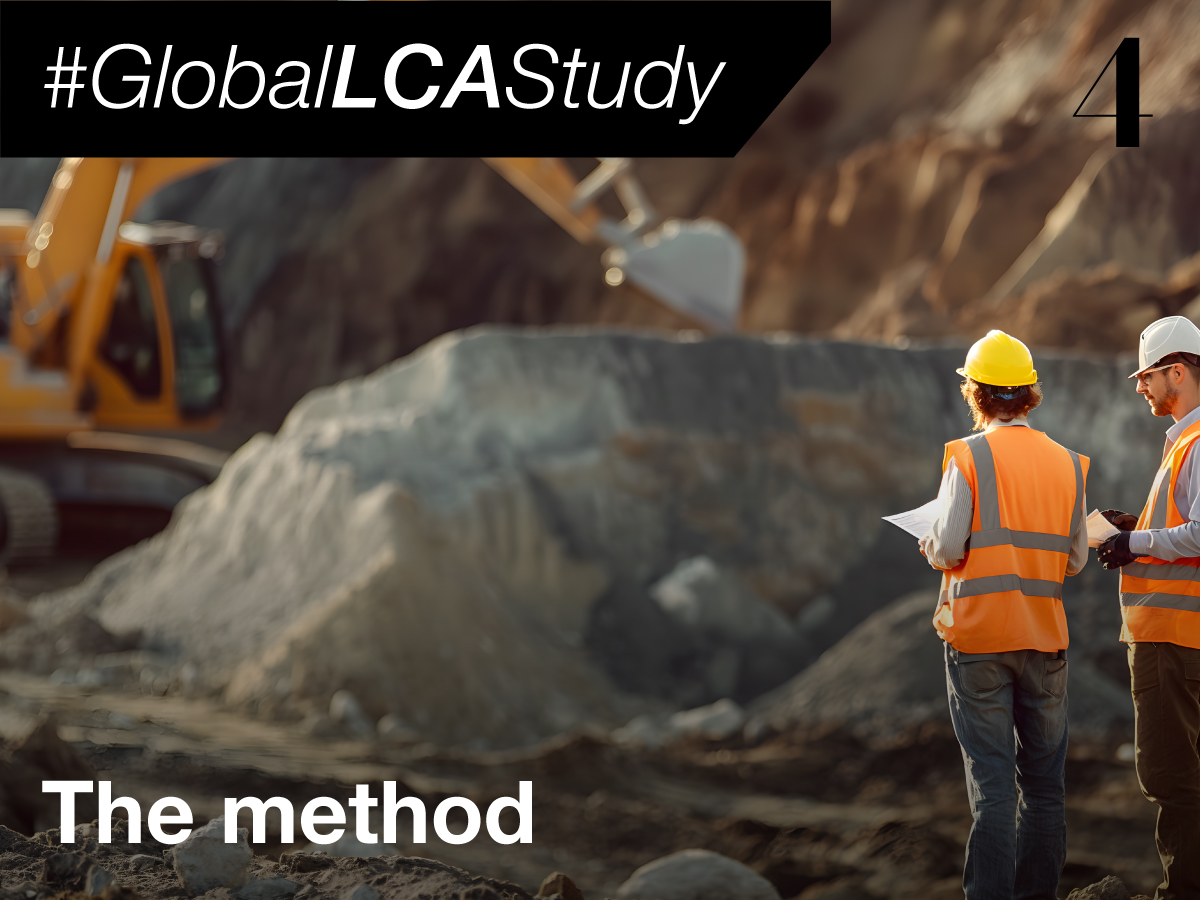
Life Cycle Assessment (LCA), conducted in accordance with ISO 14040 and ISO 14044 standards, is the European method used to thoroughly analyze every aspect of each component of a product, assessing the complexity of its entire life cycle. This approach makes it possible to identify the most environmentally impactful processes and phases, providing clear guidance on intervention priorities.
When initiating an LCA project, the first step is to identify all the processes involved in each component of a product. For each process, inputs—such as energy, water, and raw materials used—are collected, along with outputs, i.e., emissions to water, air, and soil. Based on the resources consumed and emissions released, the resulting environmental impacts are then calculated, such as greenhouse gas emissions, eutrophication, ozone layer depletion, acidification, and toxicity.
The work carried out by the Politecnico di Torino followed this methodology and structure, resulting in average values that help measure the climate impacts of finished stone random slabs throughout the entire processing chain. The results are reliable because they are based on data collected directly from quarries and processing facilities. They are also geographically representative, covering materials from several regions not only in Italy but also from other leading countries in the global stone industry.
With this global-level LCA, the PNA Business Network aimed to expand its environmental knowledge, create a solid data foundation to inform current and future projects, and lay the groundwork for an Environmental Product Declaration (EPD) certification for stone slabs with a fully Italian supply chain.
Focus interview
Giulia Pezzin, Laura Morvidoni, and Isabella Bianco from the Politecnico di Torino, and mining engineer Claudia Chiappino
“LCA gave us concrete parameters to act on, enabling true sustainability in the production process.”
Why was it important to calculate average environmental impact values through the LCA study applied to PNA’s natural stone supply chain?
Claudia Chiappino, Mining Engineer: “To best represent a sector that brings together quarries of different materials and processing plants using various technologies across the country. This allowed us to compare the environmental impacts of Authentic Natural Stone with those of its main market competitors (e.g., ceramics), with very encouraging results.”
What are the main impacts identified by the study, and in which production stages do they occur?
Politecnico di Torino: “The LCA study identified transportation—especially by road—as the main source of impact. In fact, the average climate impact of materials extracted abroad is nearly three times higher than that of Italian-sourced materials. Another major contributor is energy consumption, both in quarries and processing facilities.”
What guidance does the study offer companies to improve sustainability within the system boundaries of the analyzed production chain?
Politecnico di Torino: “The analysis provides clear parameters for optimizing the supply chain and improving its sustainability. Since the major impacts come from transportation and energy use, companies can act by adopting renewable energy sources, improving process efficiency, and reducing transport distances.”
Claudia Chiappino, Mining Engineer: “These results offer concrete parameters to reduce the environmental footprint of production by addressing energy consumption, raw material sourcing, transportation, and other key factors.”