


An investment of 1.5 million euros will not only fund the museum’s architectural project but also renew its exhibitions
The project by architect Camaiora of Opera Engineering will ensure that the Marble Museum, since its inception in 1982, continues to grow and enrich over time. In addition to the already inaugurated program of art and archaeology exhibitions, the aim is to focus on the relationship between marble and culture for the future of Carrara.
On December 16, the renovation works for the Marble Museum in Carrara began, marking the first step towards the rebirth of a new cultural season for one of the world capitals of stone. Thanks to a memorandum of understanding between the Municipality of Carrara and the Chamber of Commerce of North-West Tuscany, owners of the civic collections and the building respectively, 1.5 million euros have been invested in a large-scale renovation project. The intervention covers both the architecture, entrusted to the Opera Engineering studio of engineer Davide De Carli and architect Paolo Camaiora, and the exhibition design, which has been renewed in all its sections—archaeological, multimedia, marble collection, and garden—with the collaboration of the museum’s director Stefano Genovesi and the Superintendence.
The Civic Marble Museum was founded in 1982 within a building from 1965 designed by architect Ezio Bienaimè. Since then, the permanent collection has grown gradually, including archaeological finds from quarries, extraction tools, minerals, and a multimedia section created by Studio Azzurro.
Architect Camaiora intends to maintain the “original concept of the museum in evolution,” “which enriches over time with everything that gravitates around the world of natural stone.” Born in Carrara, Camaiora specializes in the processing of natural stone, organizing both professional and educational courses on the subject. In an interview with Marmomacchine Magazine, he states, “The wonder of marble is seeing that each piece is different from the next, forged exclusively by the forces of nature and time: this has always been and will always be its added value, the unique, characterizing, inimitable element.” He adds, with a jab at synthetic imitations, that marble “comes from the dawn of time and is eternal; if worn, you polish it, and it returns to its original state, unlike other materials that try to imitate it.” It will be interesting to see how this sensitivity enhances the new museum complex.
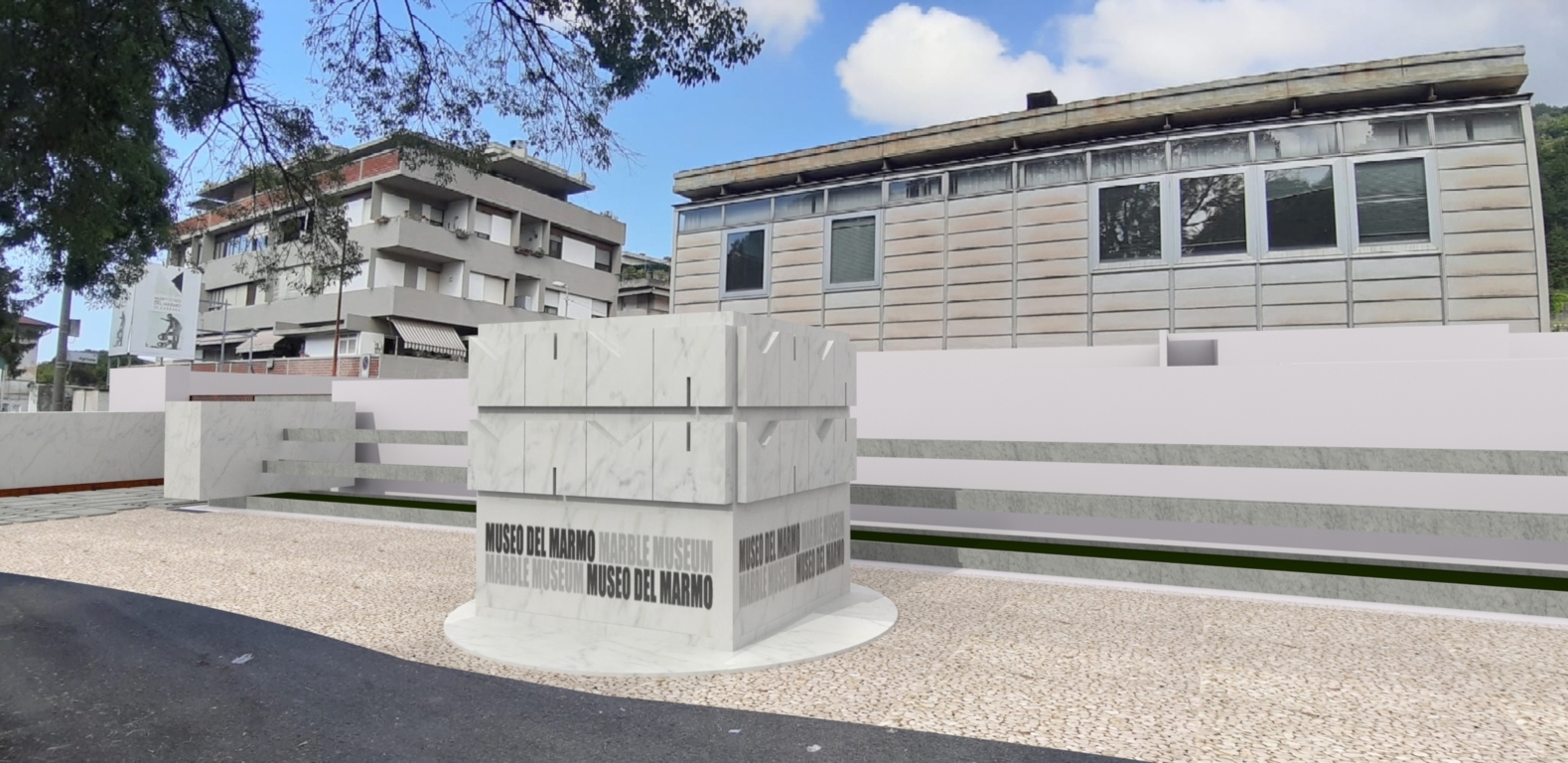
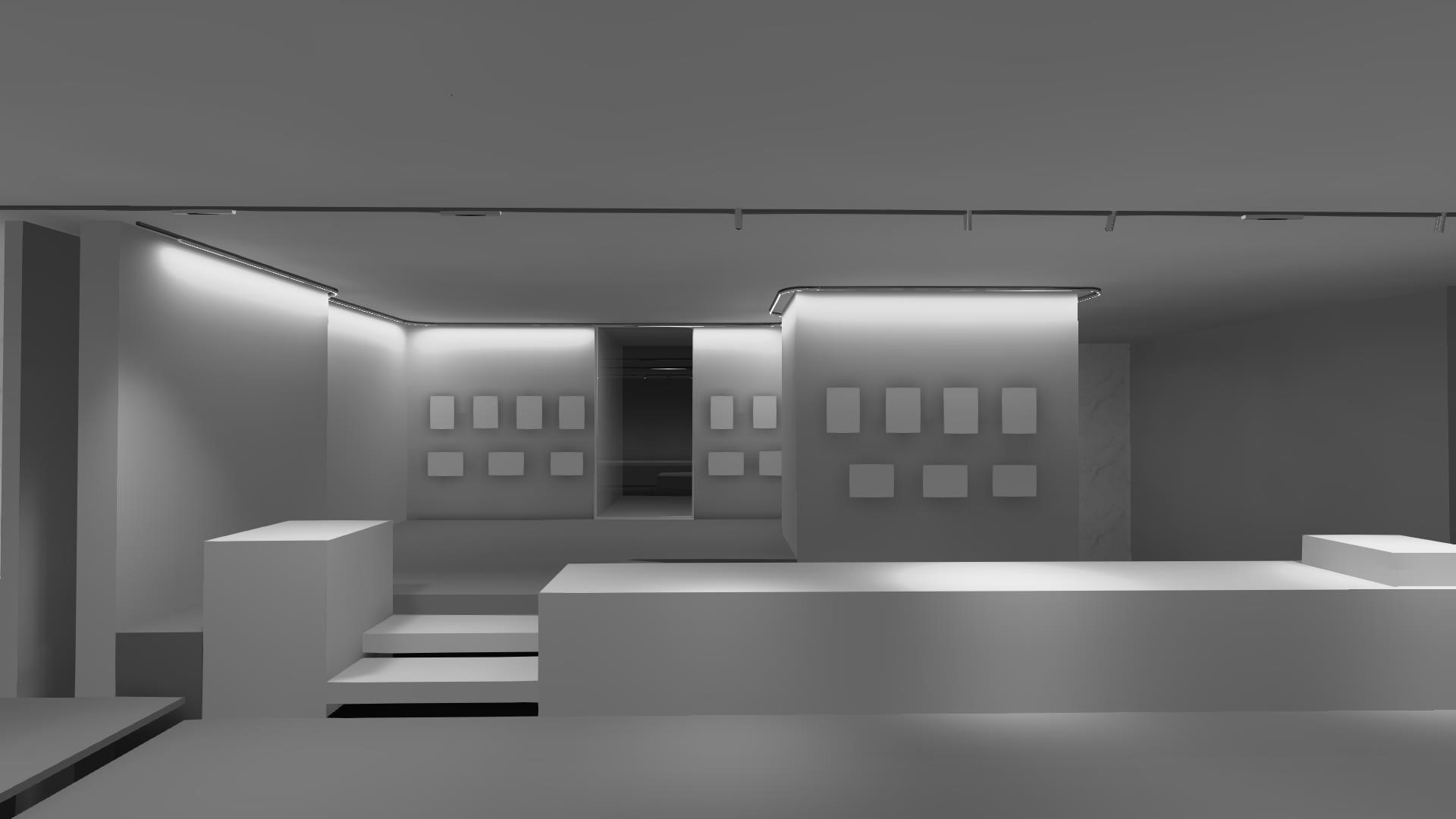
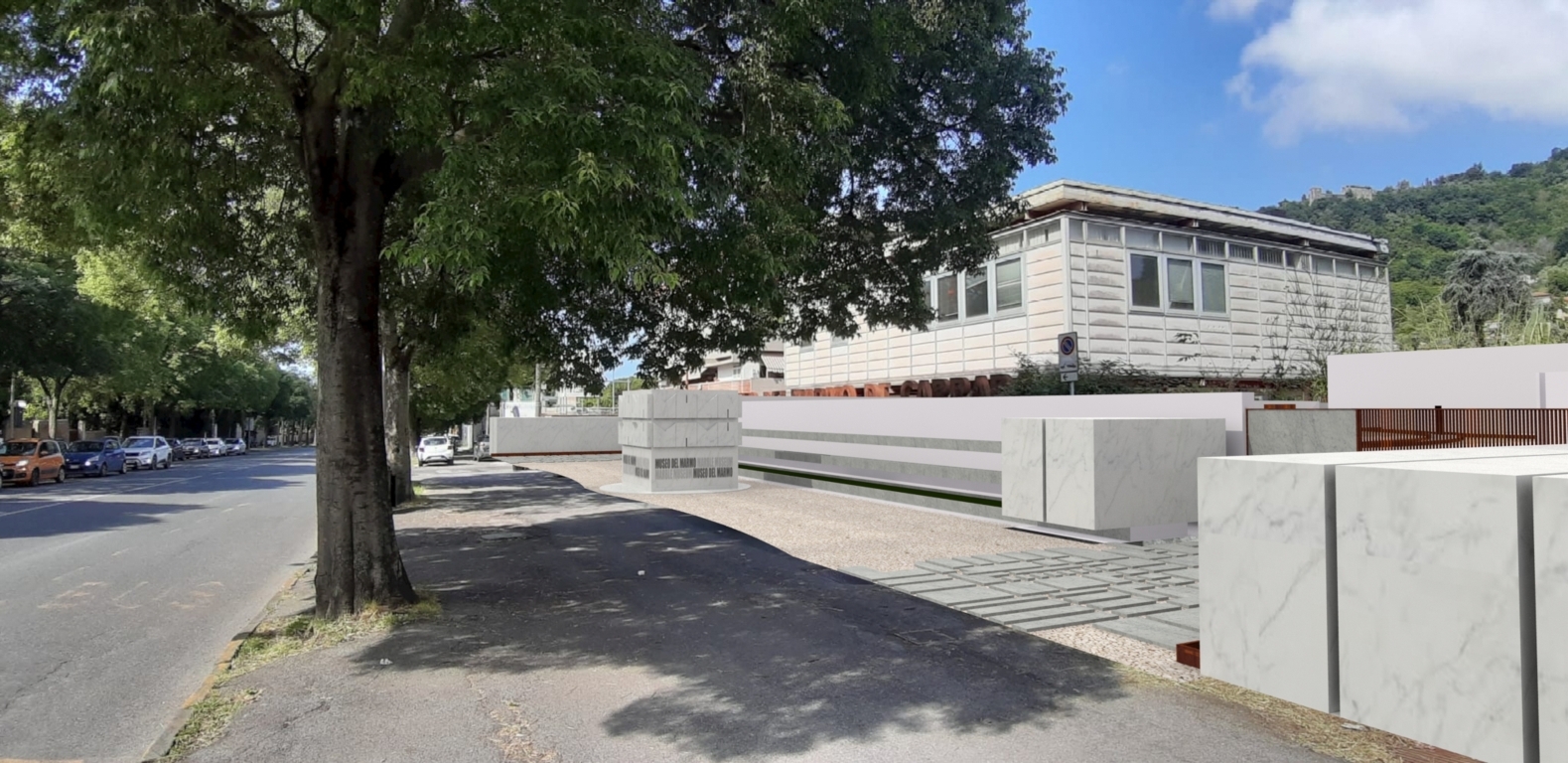
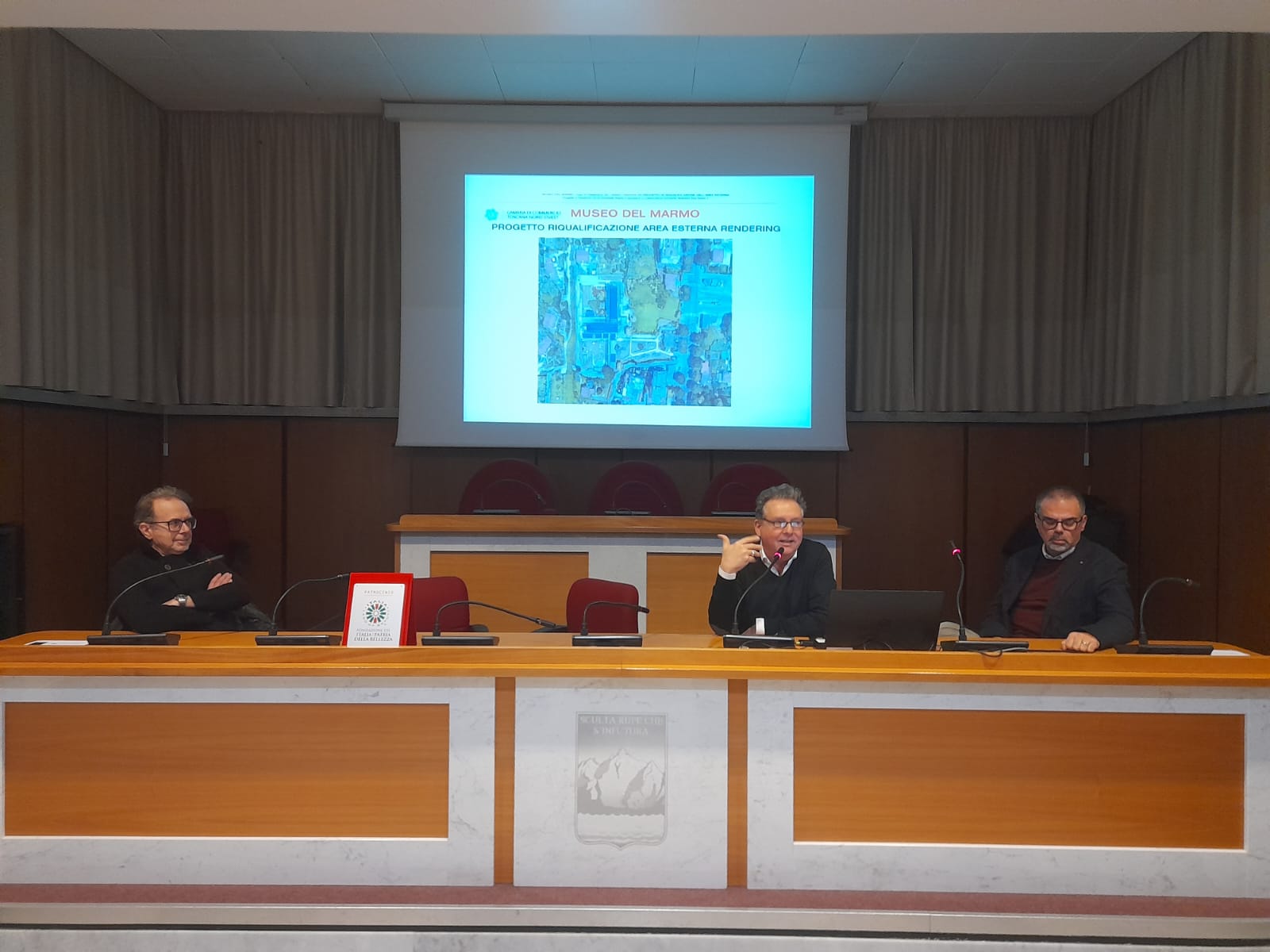
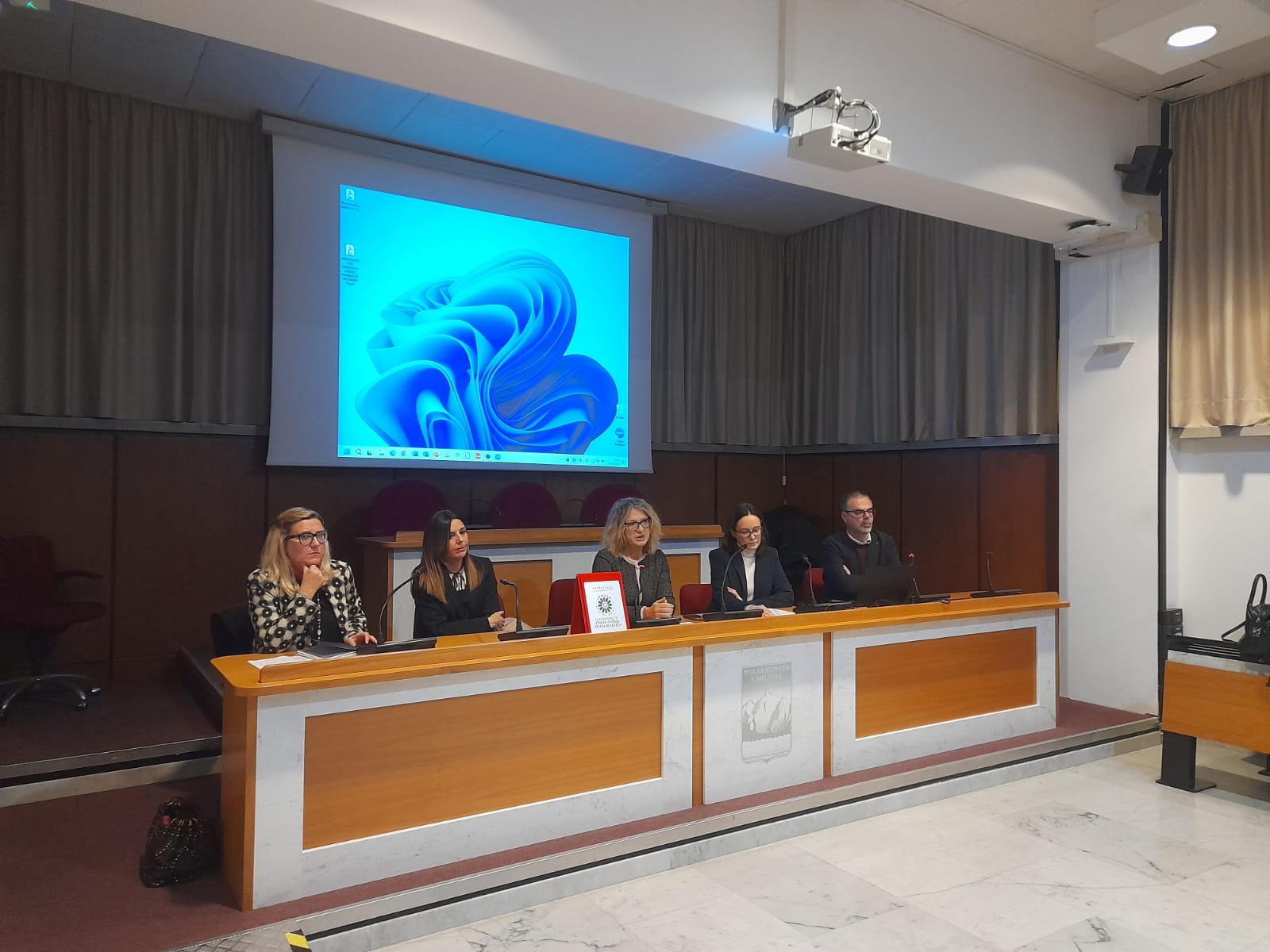
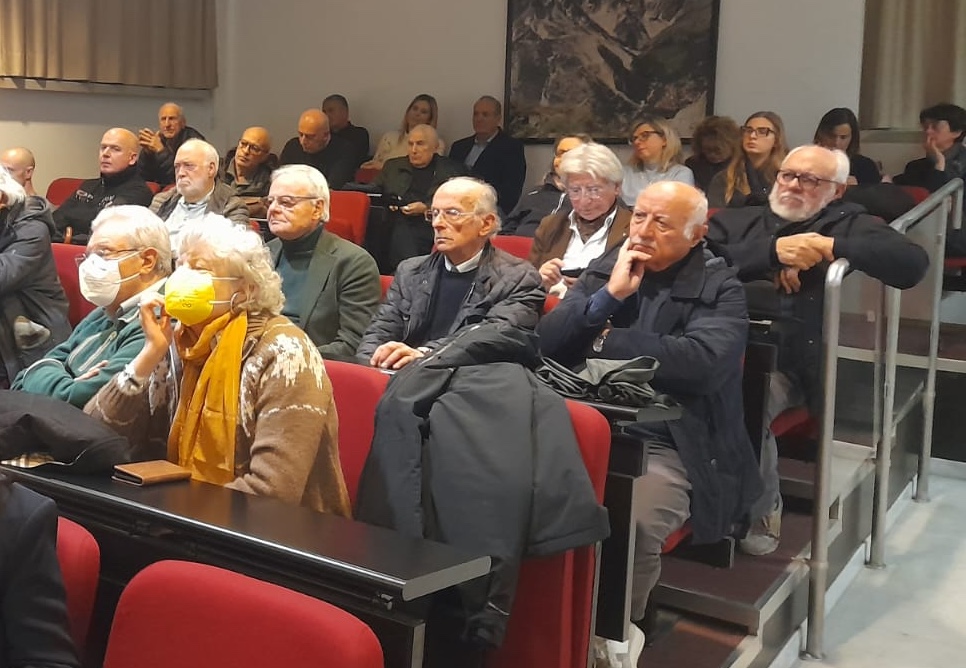
This project primarily engages the city from a social and cultural perspective because, as Mayor Serena Arrighi promises, it will "give all the people of Carrara a place for gathering, sharing, and research," but it will also influence the local economy. Valter Tamburini, president of the Chamber of Commerce, speaks of it as a "strategic step to create new growth opportunities for businesses" and a "concrete example of how culture and economy can work together for the good of the territory."
An anticipation of what can be expected from the new cycle of exhibitions at the Marble Museum has just concluded: Romana Marmora, held at CARMI and finishing on January 12, was dedicated to the Roman quarry of Fossacava and, in particular, to how the Romans used the bardiglio marble extracted from it. This site is one of the few quarries where stratigraphic archaeological research has been carried out, and since 2021, it has been a FAI property open to the public: it could be worth a visit while awaiting the inauguration of the new museum.
To find out more visit https://www.museomarmocarrara.it/pagina4762_museo-civico-del-marmo.html
Photo Credit: Arch. Paolo Camaiora